


TL;DR
Choosing the right ideal flyer size, along with understanding the standard sizes, is crucial for effective marketing. This complete guide breaks down standard dimensions, design tips, use cases, and mistakes to avoid—helping you craft eye-catching, cost-effective flyers tailored to your campaign goals.
Ever spent hours crafting the perfect flyer—only to print it and realize it’s either too bulky for wallets or too small to read?
Yep, been there.
Back in 2019, I ran a local art fair, and we printed 1,000 A4 flyers—big, bold, beautiful.
But here’s the thing: no one took them home. They didn’t fit pockets, purses, or even bulletin boards.
That’s when I realized: flyer size isn’t just about dimensions—it’s about psychology, context, and convenience.
A well-sized flyer silently says, “Hey, I belong in your world.”
Whether you’re planning an event or launching a new product, the right flyer size can make or break your marketing materials. And it’s not just about print—it’s strategy. This flyer size guide is here to help you avoid the mistakes I made and give you smart, actionable flyer design tips backed by real use cases and expert insights.
Let’s dive in.
What is a Standard Flyer Size?
When I first ventured into promoting my local art workshop, I was overwhelmed by the myriad of flyer sizes available.
I recall printing a batch of flyers that were too large to fit standard bulletin boards, leading to wasted resources and missed opportunities. This experience underscored the importance of selecting the right flyer size—a decision that can significantly impact the effectiveness of your marketing materials, especially when including elements like a QR code.
Understanding Standard Flyer Sizes
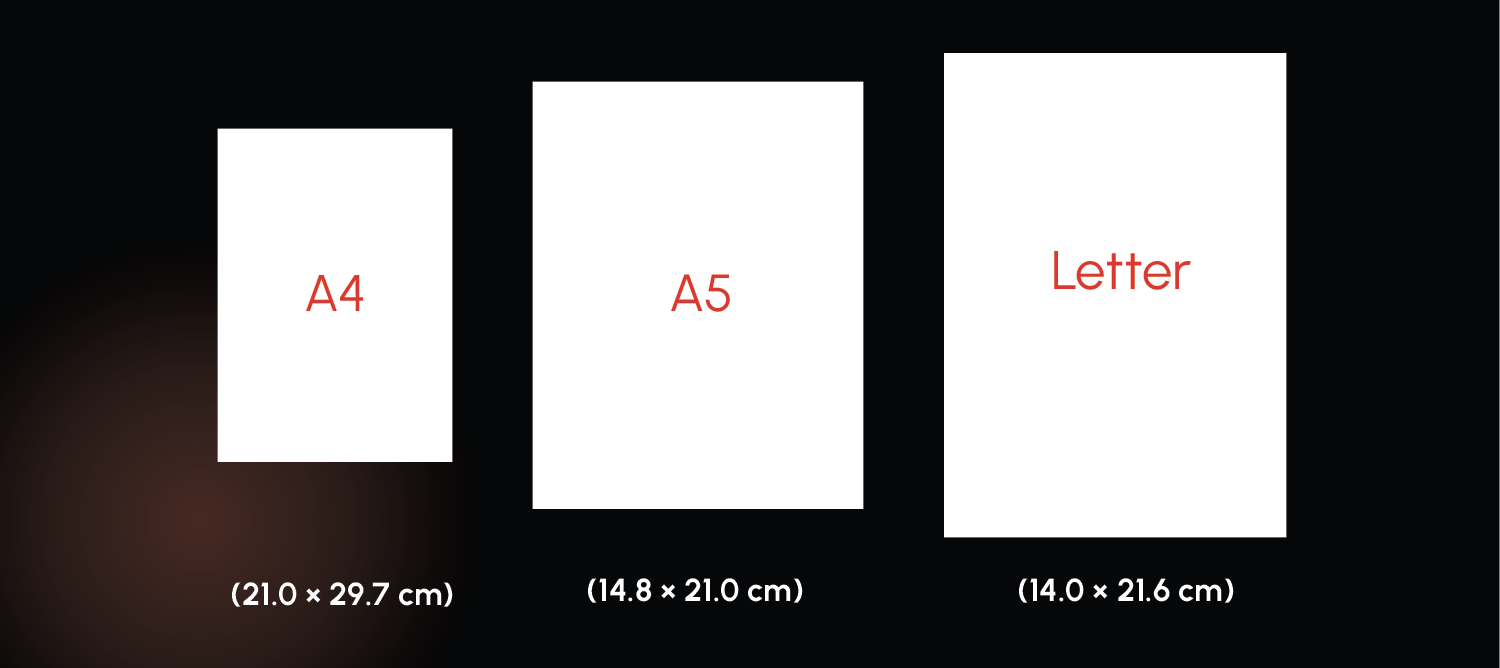
The standard flyer size varies depending on regional preferences and the intended use. In North America, the 8.5 x 11 inches (us letter) is prevalent, offering ample space for detailed content and visuals. In contrast, the A4 size (8.3 x 11.7 inches) is commonly used in Europe and other parts of the world. These sizes are versatile, suitable for various applications such as business promotions, event announcements, and informational handouts.
For more compact needs, the A5 size (5.8 x 8.3 inches) serves well, especially for direct mail campaigns and handouts where portability is key. Understanding these flyer dimensions ensures that your design aligns with your distribution strategy and audience expectations, considering both portability and visibility.
The Impact of Flyer Size on Marketing Effectiveness
Choosing the appropriate half sheet flyer size is not merely a design decision; it’s a strategic one. According to the Data & Marketing Association, flyers are among the most memorable forms of advertising, with 89% of recipients recalling the message. Moreover, a study highlighted that 38% of flyers are kept for at least a few days, and 13% are retained for over a week, emphasizing their lasting impression.
These statistics underscore the significance of selecting the right flyer size to enhance engagement and retention. A well-chosen flyer size from the standard flyer sizes, complemented by effective flyer design, can make your promotional materials stand out, ensuring your message resonates with your target audience.
Are Flyers A4 or A5?
If you’ve ever stood at a printer, unsure whether to go with A4 or A5, you’re not alone. It’s a common dilemma—do you want bold impact or pocket-sized convenience?
A4 vs A5: What’s the Real Difference?
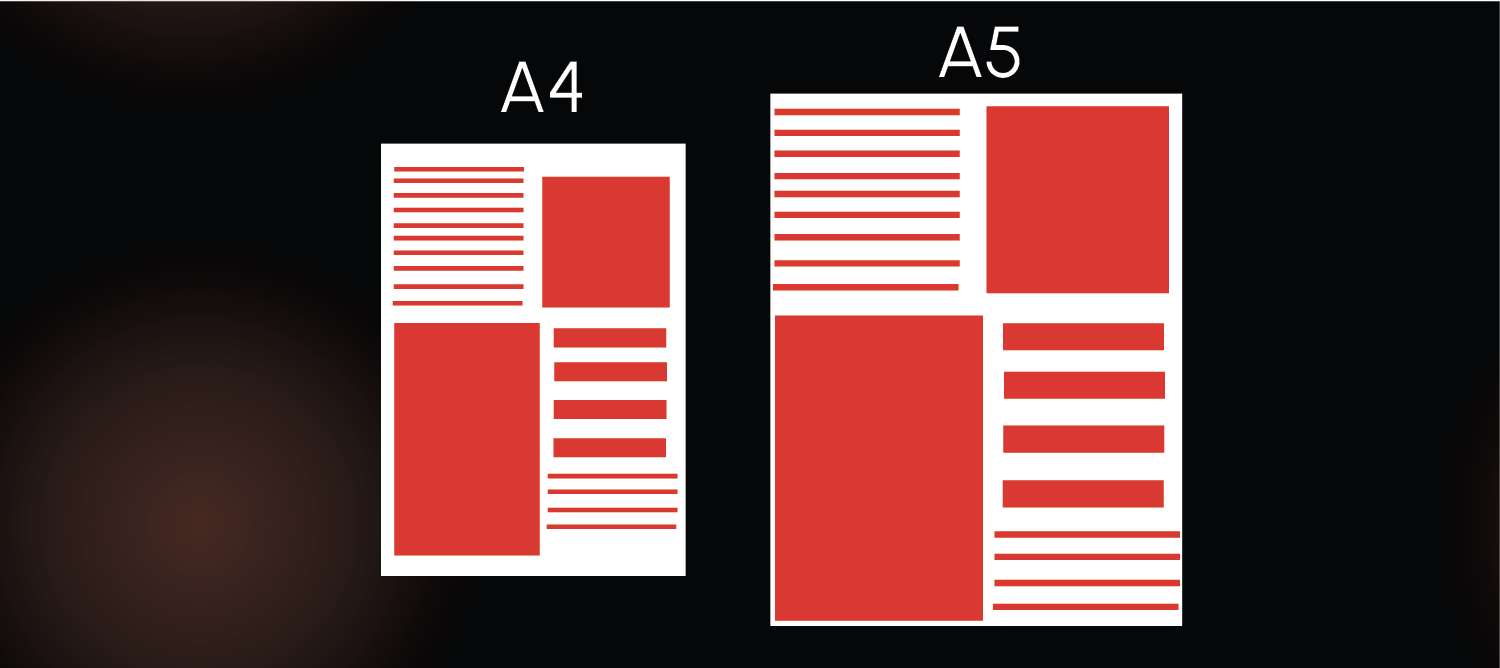
A4 flyer size (210 x 297 mm or 8.3 x 11.7 in) offers more space, perfect for detailed flyer designs, menus, or brochures. It’s ideal when you need to include a lot of content—think real estate listings, event programs, or product catalogs.
On the other hand, A5 flyer size (148 x 210 mm or 5.8 x 8.3 in) is more compact and budget-friendly. It’s great for handouts, direct mail, or promo inserts. Easy to carry, easy to keep.
Verdict?
If you’re aiming for maximum essential information and presence, go A4. If you want portability and cost-effectiveness, A5 is your go-to. Either way, understanding these flyer dimensions helps you align your message with your medium.
What Size is a 4×6 Flyer?
You know those small, snappy flyers you pick up at coffee shops or get handed during street promos? Yep, that’s your 4×6 flyer—compact, punchy, and straight to the point.
At 4 x 6 inches, this size fits snugly in your palm, making it a favorite for event promotions, coupons, and even save-the-dates. Because of its portability and simplicity, it’s ideal when you need to deliver a message quickly without overwhelming your reader.
Its smaller flyer dimensions limit the content, so use it when you have one clear CTA. Want to promote a flash sale or local gig? This flyer design will get the job done—fast, cheap, and effective.
What is the Best Size for a Flyer?

There’s no one-size-fits-all answer. The best size for a flyer depends on what you’re promoting, who you’re targeting, and how much you’re willing to spend.
For larger events or detailed promotions, 8.5 x 11 inches (aka standard flyer size) gives you enough space for rich content, high-quality images, and multiple sections. But if you’re aiming for quick handouts at a trade show or outside a venue, something smaller like A5 or 4×6 might make more sense.
Ask yourself:
- What’s my marketing strategy?
- Who’s my target audience?
- Do I want something that fits into a standard envelope or one that gets noticed on a bulletin board?
This is where a flyer-size guide becomes essential. Matching your flyer format to your goals helps you avoid wasting money and too much space, both literally and metaphorically.
Flyer design tips: Always balance content with layout. No one likes visual clutter.
Flyer Size Guide: A Breakdown of Common Flyer Sizes
There are various sizes of flyers, and each has its sweet spot. Here’s your go-to flyer size guide:
| Flyer Size | Dimensions (in) | Best Use |
| 4 x 6 | Postcard size | Handouts, invites, quick promos |
| A5 | 5.8 x 8.3 | Direct mail, inserts, digital flyers |
| 8.5 x 11 | Letter size | Multi-section promos, real estate, menus |
| 8.3 x 11.7 | A4 size | Brochures, corporate events |
| DL / Rack Card | 3.67 x 8.5 | Racks, tourism, service menus |
These most common sizes serve different marketing materials. The digital flyer design for each should reflect its intent—simple for small, detailed for large.
Print tip: Larger flyers may cost more but offer more space for creativity. Smaller ones are cost-effective for bulk marketing campaigns. If you plan to distribute both digitally and physically, design accordingly—print bleed and resolution matter!
Choosing the right flyer format = hitting the right balance between message, medium, and money.
What Size is a Flyer in Canva?
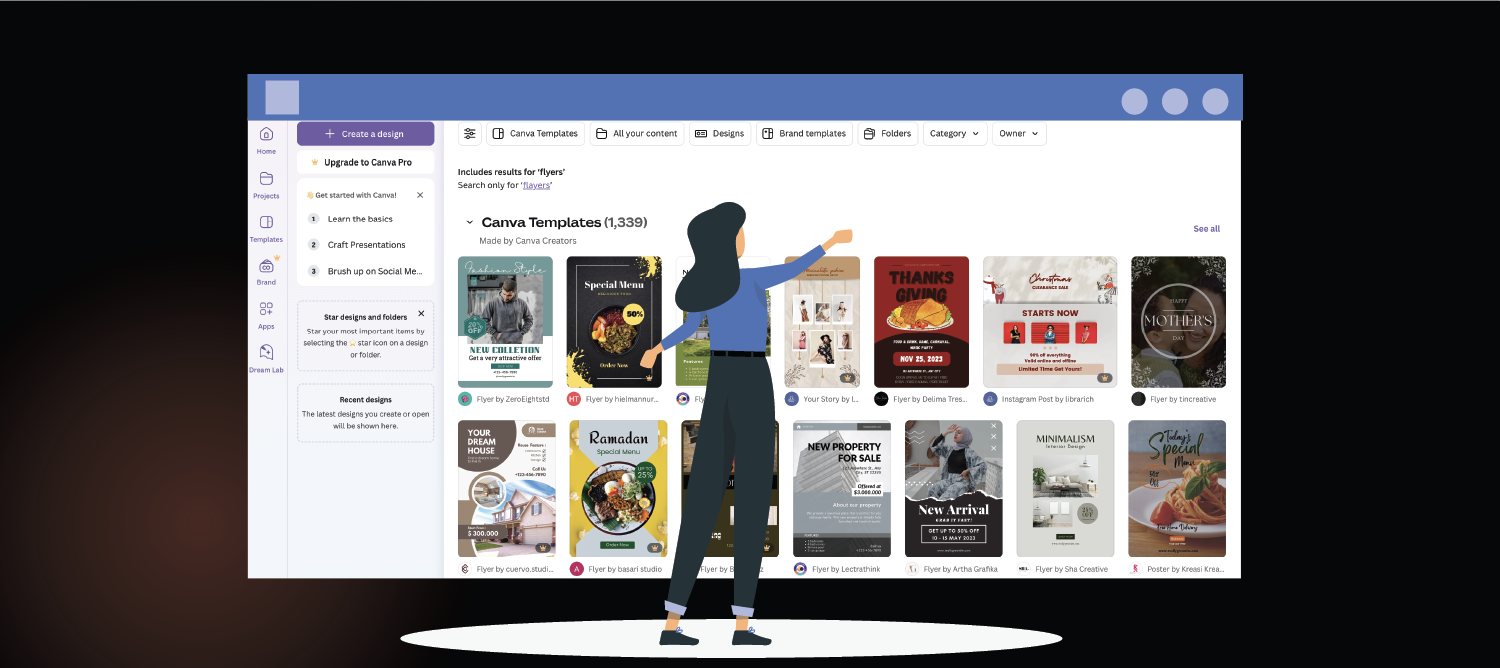
Creating standard-sized flyers in Canva is super easy, especially with its handy pre-set flyer sizes for designing flyers. Most users start with the classic A4 (8.3 x 11.7 inches) or standard letter size (8.5 x 11 inches), which are perfect for event announcements and product promos.
But the best part? You can also enter custom dimensions to make your flyer truly unique. Whether you’re going square for Instagram or tall for bulletin boards, Canva flyer size options are flexible. One of our favorite flyer design tips: start with a template, then tweak the flyer size to match your message and distribution plan.
What is the Official Size of a Flyer?
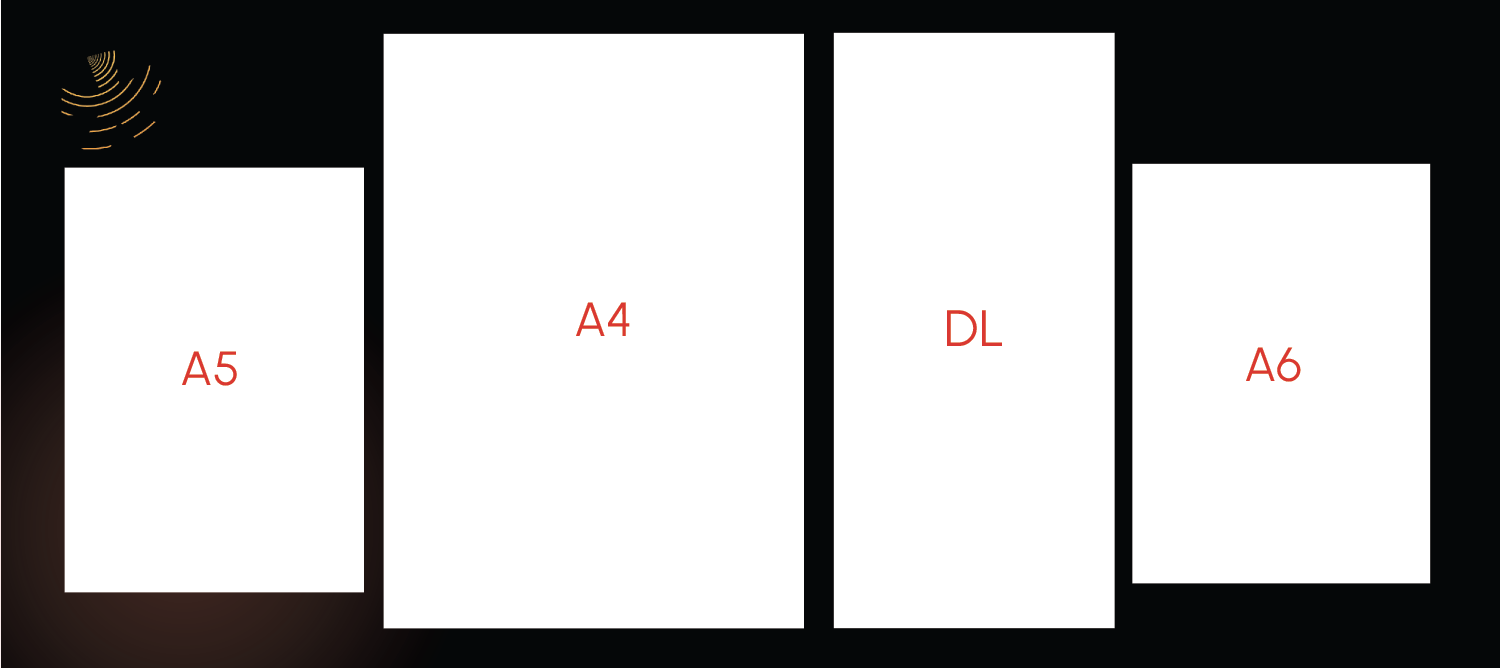
While there’s no single official flyer size, the most commonly used standard flyer size in the U.S. is 8.5 x 11 inches (Letter size). In Europe and many other parts of the world, A4 (8.3 x 11.7 inches) dominates.
These sizes are widely accepted for printing and professional distribution, making them a safe bet for mass marketing campaigns or formal events. Whether you’re printing locally or sending it off to a vendor, sticking to an official flyer size ensures compatibility, professionalism, and cost-effectiveness.
Different Flyer Sizes for Different Marketing Goals
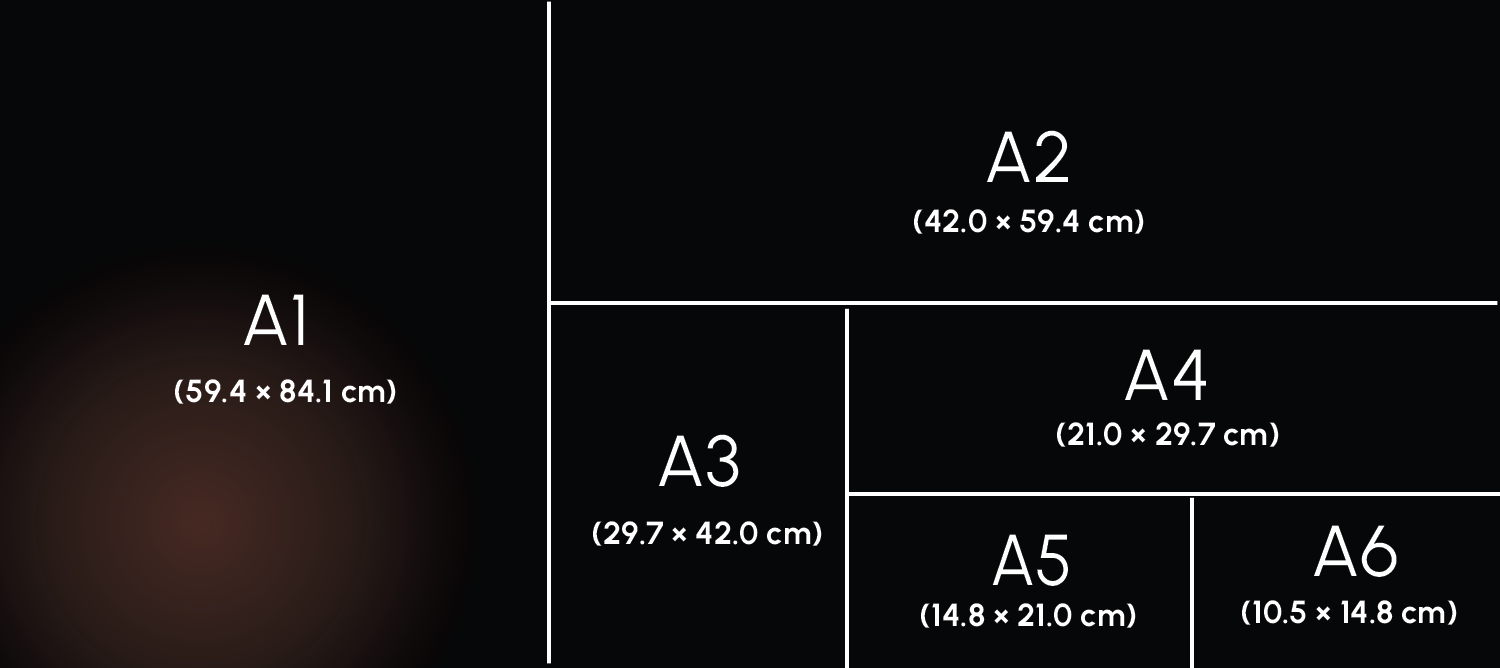
Not every flyer is created equal, and that’s exactly why understanding different flyer sizes is crucial to achieving your marketing goals. Planning a trade show? A larger large format flyer, like 8.5 x 11 inches, gives you room to list multiple products, QR codes, and CTAs. Promoting a flash sale at a local cafe? Go with a 4×6 for easy handouts and wallet-fit portability.
It’s all about knowing your target audience. Will they skim or read? Will they take it home or toss it? Larger sizes work for immersive reads, while smaller ones are great for teasers or limited-time offers.
For those on a budget, cost-effective flyer design is key. Smaller flyers cost less to print and distribute, yet they can still be effective when the design is punchy. Use this flyer size guide as a toolkit: choose the size that aligns with your goal, audience behavior, and campaign scale. Portability, impact, and ROI all depend on getting this part right.
Flyer Design Tips: Maximizing the Impact of Your Flyer
Let’s be honest—our brains are wired to notice what pops. That’s where solid flyer design tips come in. First, color contrast is your secret weapon. Think yellow text on navy blue, or white over a deep red. Your design needs to stand out, especially when it’s fighting for attention on a bulletin board or in a stack of promo mail.
Next, high-quality images aren’t optional. Blurry photos or stretched graphics instantly signal “low effort.” You want your flyer to say, “This brand has its act together.”
When it comes to paper, perception is everything. Glossy paper gives off a vibrant, polished vibe—perfect for modern brands or nightlife events. On the flip side, matte finishes feel upscale and sophisticated, often used in high-end event promos or gallery invites.
Oh, and don’t forget about flyer dimensions—a great design can fall flat if printed too small to read or too large to carry. Design with your clear image end format in mind from the start, and you’ll avoid that heart-sinking moment at the printer. Create something that’s not just eye-catching, but unignorable.
What Size is a Social Media Flyer?
A social media flyer isn’t one-size-fits-all—each platform has its own sweet spot. For Instagram, square flyers (1080×1080 px) work best. Want to post on Stories or Reels? Go vertical with 1080×1920 px. Facebook and Twitter favor landscape flyers—try 1200×628 px for eye-level visibility in feeds.
Why does flyer size matter online? Because algorithms and user behavior reward visually optimized content. If your digital flyer gets cropped awkwardly or loads blurry, you’ve just lost your viewer. Ouch.
Great social media marketing means designing for the platform, not just resizing. Whether you’re announcing a concert, sale, or webinar, getting the digital flyer dimensions right ensures your design looks sharp and performs well where it counts—on screen.
Best Flyer Sizes for Event Promotion and Marketing Campaigns
Size speaks louder than you think. When it comes to event promotion, choosing the right flyer dimensions can directly impact how many people show up. For high-traffic spaces like trade shows, go with an 8.5 x 11-inch flyer—it allows space for booth numbers, schedules, and calls to action.
For school activities, concerts or club nights?
A 4×6-inch flyer is perfect.
It fits in pockets, wallets, and palms—ideal for nightlife vibes or street teams. School fairs, bake sales, and local community events often lean into A5 sizes, striking a nice balance between visibility and portability.
Bottom line: your marketing campaign isn’t just about being seen—it’s about being remembered. Choose flyer sizes based on how and where you’ll distribute your promotional materials to reach potential customers. The right format improves engagement, retention, and conversion—every time.
Common Mistakes When Choosing Flyer Size
One of the biggest missteps in flyer design?
Picking a flyer size that just doesn’t fit the purpose. Too big, and it’s likely to get folded, tossed, or ignored. Too small, and your message gets crammed or completely overlooked.
Many creators also forget to consider the reading distance. A small A6 flyer might work on tables but fails on display boards. Likewise, an oversized print with minimal content can feel wasteful—both visually and financially.
Another common mistake: not accounting for cost-effective printing. Unusual flyer dimensions might look cool on screen but can rack up extra trimming or formatting costs. Stick with common flyer sizes when on a tight budget.
To avoid all this? Start with your distribution method.
Will it be handed out, mailed, or posted online?
Match the flyer design to real-world behavior, and you’ll avoid costly surprises down the line.
Avoid Flyer Size Mistakes
Pick the right flyer size to boost visibility, cut costs, and drive real marketing results.

Final Thoughts
Choosing the right standard flyer size isn’t just a design decision—it’s a strategic one. Whether you’re launching a product, promoting an event, or running a campaign, aligning your flyer dimensions with audience needs, message clarity, and format constraints can make or break your impact.
Use this flyer size guide as your go-to checklist the next time you’re creating marketing materials. Want to dive deeper into layouts, messaging, and conversion-optimized design?
Stick around—we’ve got a whole lot more design wisdom coming your way.
FAQs
What is the most common flyer size used for marketing?
The most common standard sized flyer is 8.5 x 11 inches, also known as US Letter size. It’s versatile, budget-friendly, and ideal for events, product promotions, and announcements.
Should I choose A4 or A5 for my flyer?
It depends on your goals. Use A4 flyer size for detailed brochures or professional event handouts, and A5 flyer size for compact, portable promotions like retail offers or local events.
What’s the best flyer size for social media marketing?
For digital flyers, square sizes like 1080×1080 px (Instagram), 1200×628 px (Facebook), and 1600×900 px (Twitter) work best. These maintain quality across platforms and attract better engagement.
How do I choose the right flyer dimensions for my event?
Think about your target audience, distribution method, content amount, and both the color choice for maximum impact. For example, 4×6 flyers are great for quick invites, while 8.5 x 11 works well for info-heavy promotions.
Can INKLUSIVE help with both print and digital flyer designs?
Absolutely! INKLUSIVE specializes in both print and social media flyer design, offering expert advice on flyer size, layout, paper finishes, visual strategy for maximum impact, and aligning with your brand identity.